
My daughter was small when she was born in 2018—under six pounds. I was induced at 37 weeks, and six days later I was back in the hospital with preeclampsia. I didn’t know this was something that could happen after the baby was born, but it happens to many women.
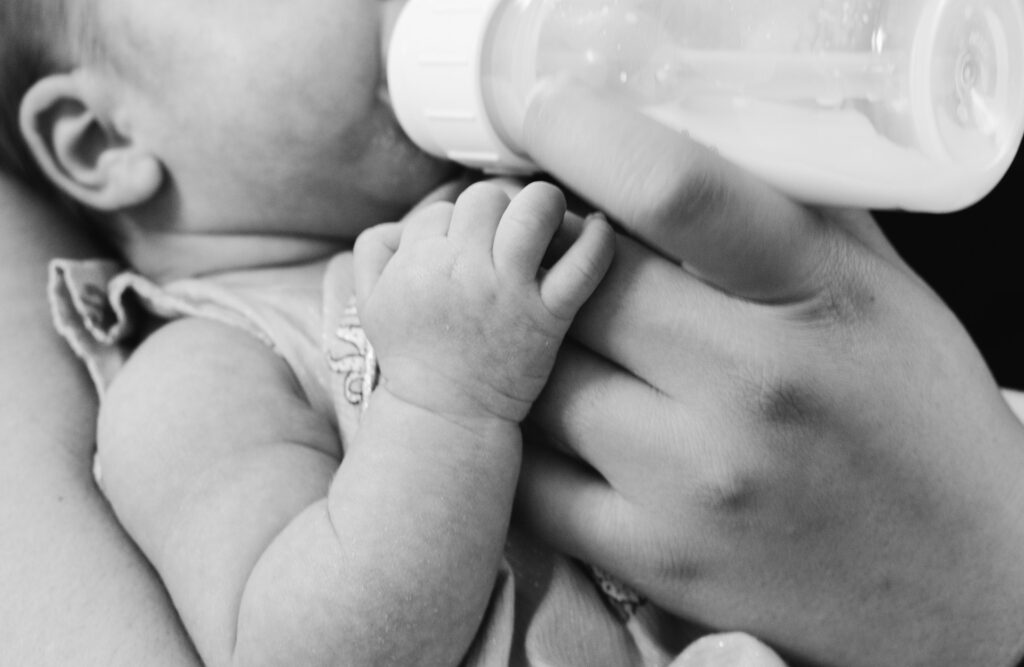
Meanwhile, while I was taken via ambulance to the hospital, my husband was at home with our daughter mixing and feeding her formula. Our pediatrician had told us we had better keep her weight above five pounds or else she would be hospitalized too—in the NICU.
I was all alone in the hospital that July 4th evening on the cardiac floor. After six hours of tests, blood pressure cuffs, and bed sore checks (really?), I was alone to pump the meager amount of milk I had out of my sore, engorged breasts.
The hospital was supposed to be breastfeeding-friendly, but I wasn’t told my baby could come with me to stay. I was used to her body kicking and hiccuping away in my uterus, but that day, I was in a hospital bed without her cries or sleepy noises nearby. I wasn’t given time to pump milk, and the emergency room told me I would need to dump the milk I did pump after my CT scan. In short, I was not given a chance to provide the milk to the baby I had just birthed, and I was covered with wires all over my chest, instead of my infant skin-to-skin.
When I was discharged from the hospital a few days later, I tried pumping and triple feeding. I even rented the specialty breast pump from the hospital—at 70 dollars a month—and met with three different lactation consultants. Unfortunately, I was never able to produce even a fraction of the milk my baby required, no matter how much yanking and pulling the suction machine did on my tender nipples.
We used formula after the first month, and I stopped pumping at that time. I was desperately sad to give up on this dream of providing her nutrition directly from my body, and of nourishing her as so many other moms are able to do. Going into her birth, this was one of the most important goals I had as a new mother. I remember feeling like if I wasn’t able to breastfeed, what did my daughter need me for? Anyone could sterilize some water and mix up some powdered formula, after all.
I was wrong. There is so much that my daughter needed me for! From singing her songs at bedtime, to laughing with her as we watched the birds play at the feeder, to tickling her feet after a bath. And now, she needs me to help her measure when we make cookies together, helping her thread a needle for her sewing project, or comforting her when she tells me about her disappointments.
She’s turning eight this year, explaining the different parts of the atom to me as easily as she rattles off Pokemon characters. I’m a proud mom!
Still, I’m sad that I wasn’t able to breastfeed her. It’s a part of life I wish were different, but I have learned that what matters is that we survived that scary and volatile time together.
I want new moms to know they are not failures if they are not able to breastfeed. Hospitals need to educate staff beyond Labor and Delivery about the need to keep babies and mothers together in those early weeks. We need to support new moms and also reassure them that formula is an option too—it is literally medicine that saves lives.
Articles are for informational and self-help purposes only. Articles are not meant to provide specific advice for your specific situation. They should not be treated as a substitute for psychological, behavioral health, medical, financial, relationship, or career advice or as a substitute for consultation with a qualified professional. Nothing in any Article is intended as a recommendation or endorsement of any products, services, healthcare provider, opinions or other information.
The opinions expressed by the author and those providing comments are theirs alone and do not reflect the opinions of Mother’s Day Magazine. Mother’s Day Magazine is not responsible for the accuracy of the information supplied by the author. The Terms and Conditions are incorporated herein.